Master Your Investments: The Ultimate Portfolio Management Software Guide
portfolio management software

Master Your Investments: The Ultimate Portfolio Management Software Guide

Transform your financial future by leveraging powerful software designed to optimize your investment portfolio.

Start Managing Today

Key Takeaways

  • ✓ Portfolio management software centralizes all your investment data.
  • ✓ It provides real-time performance tracking and analytics.
  • ✓ Automated rebalancing features help maintain target asset allocation.
  • ✓ Many platforms offer tax-loss harvesting and reporting capabilities.

How It Works

1
Consolidate Your Accounts

Connect all your brokerage, retirement, and banking accounts to the software. This creates a unified view of your entire financial landscape.

2
Analyze and Track Performance

The software aggregates data to show your overall portfolio performance, individual asset returns, and risk metrics. Gain insights into what's working and what's not.

3
Set Goals and Automate

Define your financial goals, risk tolerance, and desired asset allocation. Many tools offer automated rebalancing or alerts to keep you on track.

4
Report and Optimize Taxes

Generate comprehensive reports for tax season, performance reviews, or financial planning. Utilize features like tax-loss harvesting to potentially minimize liabilities.

The Indispensable Role of Investment Tracking Software
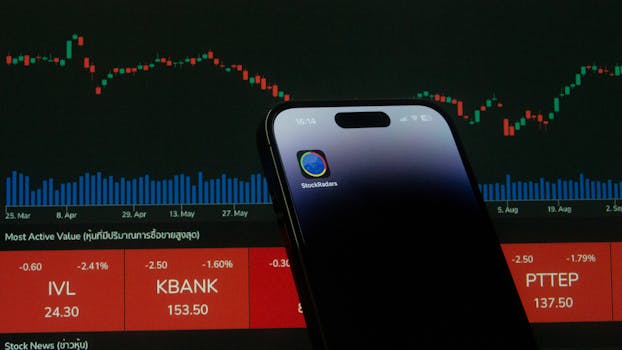
A mobile phone displaying a trading app in front of a financial market chart screen. Photo: StockRadars Co., / Pexels
In today's complex financial landscape, managing investments effectively is more challenging than ever. From individual stocks and bonds to mutual funds, ETFs, real estate, and alternative assets, the sheer volume of options and the constant fluctuations of the market can overwhelm even the most seasoned investor. This is where dedicated portfolio management software becomes not just a convenience, but an indispensable tool. It provides a centralized hub where all your financial assets, regardless of where they are held, can be aggregated, monitored, and analyzed. Imagine having a single, real-time dashboard that shows you the complete picture of your wealth, its performance, and its alignment with your long-term financial goals. This level of oversight is virtually impossible to achieve through manual spreadsheets or disparate brokerage statements. At its core, investment tracking software automates the tedious process of data collection and aggregation. Instead of logging into multiple accounts to check balances and transactions, the software does it for you, often with secure, encrypted connections. This automation frees up invaluable time, allowing investors to focus on strategic decisions rather than administrative tasks. Beyond mere data aggregation, these platforms offer sophisticated analytical capabilities. They can calculate your true rate of return across all assets, adjust for fees and inflation, and provide deep insights into risk exposure, diversification levels, and sector allocations. For instance, you might discover that your portfolio, while seemingly diversified, actually has an overconcentration in a particular industry due to overlapping holdings in different funds. Such insights are crucial for making informed adjustments and mitigating unforeseen risks. Furthermore, many advanced platforms incorporate predictive analytics, helping you model various market scenarios and understand the potential impact on your portfolio's future performance. This forward-looking perspective is vital for proactive management and adapting to changing economic conditions. The value proposition of such software extends beyond individual investors to financial advisors and wealth managers, who utilize these tools to efficiently manage hundreds or even thousands of client portfolios, ensuring consistency, compliance, and superior client service. The ability to generate customized reports, track client-specific goals, and communicate performance clearly enhances trust and transparency. Ultimately, investment tracking software transforms a potentially chaotic and time-consuming process into a streamlined, insightful, and empowering experience, making sophisticated financial management accessible to a wider audience.

Key Features and Benefits of Modern Portfolio Management Software

Monochrome image of stock market data on a screen, depicting financial information and trends. Photo: Rômulo Queiroz / Pexels
Modern portfolio management software is far more than just a glorified spreadsheet; it's a comprehensive ecosystem designed to empower investors with data-driven insights and automation. One of its most significant benefits is real-time performance tracking. Gone are the days of waiting for monthly statements to assess your investment's health. With continuous data feeds, you can monitor gains, losses, and overall portfolio value as market conditions evolve. This immediate feedback is crucial for making timely adjustments and capitalizing on opportunities. Another cornerstone feature is advanced analytics and reporting. These tools delve deep into your portfolio's composition, breaking down performance by asset class, sector, geography, and even individual security. They calculate essential metrics like Sharpe ratios, alpha, beta, and standard deviation, providing a robust understanding of your risk-adjusted returns. Customizable reports allow you to visualize your data in ways that are most meaningful to you, aiding in both personal financial reviews and discussions with financial advisors. Asset allocation and rebalancing tools are also paramount. These features enable you to define your ideal asset mix based on your risk tolerance and financial goals. The software then monitors your portfolio, alerting you when allocations drift from your targets due to market movements. Some platforms even offer automated rebalancing, executing trades to bring your portfolio back into alignment without manual intervention. This disciplined approach helps maintain your desired risk profile and avoids emotional investment decisions. Furthermore, tax optimization features, such as tax-loss harvesting, can significantly impact your net returns. The software identifies opportunities to sell losing investments to offset capital gains, potentially reducing your tax liability. Integration capabilities are also a major advantage, allowing seamless connections with brokerage accounts, banks, and even other financial planning tools, creating a holistic view of your financial life. Beyond these, many platforms offer scenario planning, allowing you to model the impact of different investment decisions or market events on your future wealth. Security is also a top priority, with robust encryption, multi-factor authentication, and regulatory compliance ensuring your sensitive financial data remains protected. These features collectively transform the act of managing investments from a reactive, guesswork-driven process into a proactive, strategic endeavor.

Choosing the Right Portfolio Management Software for Your Needs

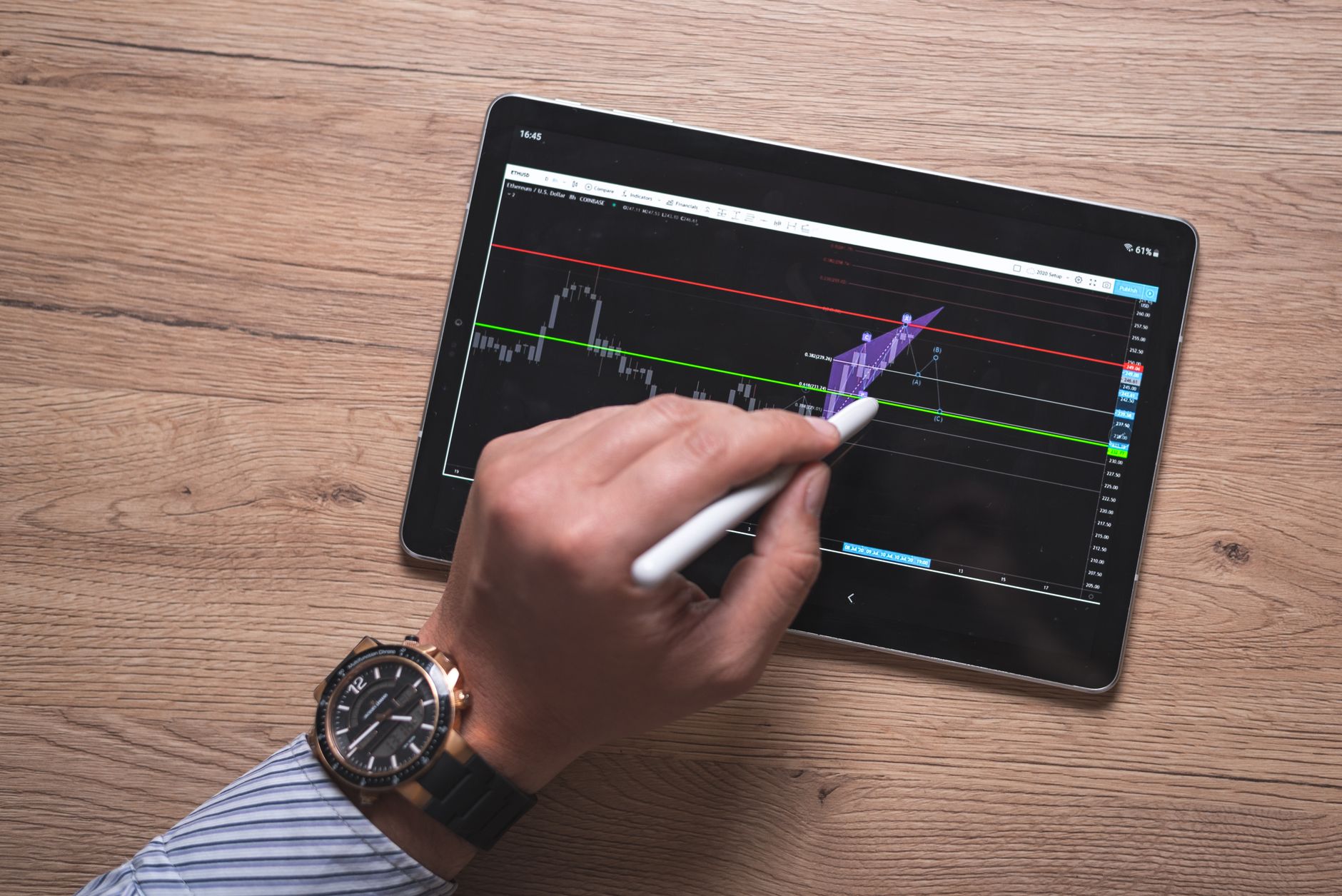
Professional analyzing cryptocurrency market data on a digital tablet with financial graphs. Photo: AlphaTradeZone / Pexels
Selecting the appropriate portfolio management software is a critical decision that hinges on your individual financial goals, investment style, and technical comfort level. The market offers a wide spectrum of solutions, from user-friendly platforms designed for novice investors to highly sophisticated systems favored by professional wealth managers. The first step is to assess your own needs. Are you primarily looking for basic tracking and reporting for a few diversified funds, or do you require advanced analytics for a complex portfolio of individual stocks, bonds, and alternative investments? Your investment volume and the number of accounts you manage will also influence the choice. For instance, a casual investor with a 401(k) and an IRA might find a free or low-cost solution perfectly adequate, while someone with multiple brokerage accounts, a taxable investment account, and perhaps real estate holdings would benefit from a more robust, subscription-based service. Consider the types of assets you hold; ensure the software supports all asset classes relevant to your portfolio, including cryptocurrencies or private equity if applicable. Ease of use and user interface (UI) are crucial factors. A cluttered or overly complex interface can deter consistent use, negating the benefits of the software. Look for intuitive dashboards, clear visualizations, and straightforward navigation. Customer support is another often-overlooked aspect; responsive and knowledgeable support can be invaluable when you encounter technical issues or have questions about specific features. Integration capabilities are also paramount. Does the software seamlessly connect with all your existing financial institutions? Check for compatibility with your banks, brokerages, and any other financial tools you currently use. Security features, including data encryption, multi-factor authentication, and adherence to privacy regulations, should be non-negotiable. Review the pricing model carefully – some platforms charge a flat monthly or annual fee, while others may base fees on assets under management (AUM) or offer tiered plans with varying features. Many reputable providers offer free trials, which are an excellent opportunity to test the software's functionality and determine if it meets your specific requirements before committing financially. Finally, read independent reviews and compare features across several top contenders to ensure you're making an informed decision that aligns with your long-term financial strategy.

Common Pitfalls and Best Practices in Using Portfolio Management Software

Close-up of a man covering his face and showing a stop gesture with his hand. Photo: www.kaboompics.com / Pexels
While portfolio management software offers immense benefits, investors can fall into several common pitfalls if not used strategically. One frequent mistake is over-reliance on automation without understanding the underlying principles. While features like automated rebalancing are powerful, blindly trusting algorithms without reviewing the suggested adjustments can lead to undesirable outcomes, especially during volatile market conditions. It's crucial to understand *why* the software is recommending certain actions and to ensure they align with your evolving financial goals and risk tolerance. Another pitfall is neglecting data accuracy. The software is only as good as the data it receives. Incorrectly linked accounts, unclassified transactions, or missing asset information can lead to skewed performance reports and flawed insights. Regularly verifying data synchronization and manually correcting any discrepancies is a best practice that ensures the integrity of your financial overview. **Best Practices for Effective Use:** * **Regular Data Verification:** Make it a habit to check that all your accounts are syncing correctly and that transactions are accurately categorized. This ensures your reports are always based on reliable data. * **Define Clear Goals:** Before you even input your first asset, clearly define your investment goals, risk tolerance, and time horizon. This provides the framework for the software's analytical tools and helps you make sense of its recommendations. * **Utilize All Features:** Don't just use the software for basic tracking. Explore advanced features like scenario planning, tax-loss harvesting, and detailed performance attribution to gain a deeper understanding of your investments. * **Don't Over-Optimize:** While the software provides granular data, avoid the temptation to constantly tinker with your portfolio based on short-term fluctuations. Stick to your long-term strategy and use the software to monitor progress, not to day-trade. * **Educate Yourself:** Take the time to understand the metrics and reports generated by the software. Many platforms offer educational resources that can help you interpret complex financial data. * **Maintain Security:** Always use strong, unique passwords and enable multi-factor authentication. Regularly review security settings and be vigilant about phishing attempts to protect your sensitive financial information. * **Backup Data (if applicable):** While most cloud-based solutions handle backups, if you're using desktop software, ensure you have a robust backup strategy in place. By avoiding these pitfalls and adhering to best practices, you can maximize the value of your portfolio management software, transforming it into a powerful ally in achieving your financial aspirations.

Comparison

FeatureBest Option for DIY InvestorsBest Option for Comprehensive Wealth ManagementBest Option for Budget-Conscious Users
Automated Account Sync
Advanced Analytics & ReportingGoodExcellentBasic
Tax-Loss HarvestingSome
Real-time Data FeedsLimited
Customer SupportEmail/ChatDedicated ManagerCommunity Forum
Pricing ModelSubscriptionAUM-based/SubscriptionFreemium/Low Cost
Mobile App
Rebalancing ToolsManual/AlertsAutomatedManual

What Readers Say

"This portfolio management software has been a game-changer for me. I finally have all my investments in one place and can see exactly how they're performing, which was impossible before. The detailed reports are incredibly helpful for my financial planning."

Sarah J. · Austin, TX

"As an active investor, the real-time data and advanced analytics provided by this platform are invaluable. It helps me make quicker, more informed decisions and ensures my asset allocation stays on target without constant manual checks."

Mark D. · Chicago, IL

"Since using this software, my confidence in managing my retirement accounts has skyrocketed. I was able to identify an underperforming fund and reallocate, leading to a 7% increase in my portfolio's value over the last year. Highly recommend for anyone serious about their finances."

Emily R. · Seattle, WA

"The software is fantastic for tracking and reporting, though I wish the mobile app had a few more features. Overall, it's significantly streamlined my investment overview and helped me understand my overall financial health much better than before."

David L. · Miami, FL

"Managing a family trust with multiple beneficiaries used to be a nightmare of spreadsheets. This portfolio management software brought everything together, making compliance and performance reporting incredibly efficient. It's a lifesaver for complex financial situations."

Jessica M. · Denver, CO

Frequently Asked Questions

What is portfolio management software and why do I need it?

Portfolio management software is a digital tool that helps individuals and financial professionals track, analyze, and manage their investments across various accounts and asset classes. You need it to gain a consolidated view of your wealth, monitor performance in real-time, assess risk, optimize asset allocation, and make data-driven decisions to achieve your financial goals more efficiently than manual methods.

Is my financial data safe with portfolio management software?

Reputable portfolio management software providers prioritize security with robust measures. This typically includes bank-level encryption (256-bit AES), multi-factor authentication, secure data centers, and regular security audits. Always choose software from well-established companies that clearly outline their security protocols and comply with data protection regulations to ensure your information is safe.

How do I get started with portfolio management software?

Getting started usually involves signing up for an account, securely linking your various investment and bank accounts, and then categorizing your assets. Most software will automatically import historical data, allowing you to quickly see your entire portfolio. You can then begin setting financial goals, defining your risk tolerance, and exploring the analytical features.

How much does portfolio management software cost?

The cost of portfolio management software varies widely. Some basic versions are free, often supported by ads or limited features. Premium versions typically charge a monthly or annual subscription fee, ranging from $10 to $500+ depending on the features, number of accounts, and assets under management. Financial advisors may pay higher enterprise-level fees. Many offer free trials to test the service.

How does portfolio management software compare to a financial advisor?

Portfolio management software provides tools and data for self-directed investors or augments an advisor's capabilities. It offers automation, analytics, and tracking. A financial advisor, on the other hand, provides personalized guidance, tailored strategies, behavioral coaching, and comprehensive financial planning that goes beyond just investments. They can complement each other, with software handling data and advisors providing human expertise.

Who should use portfolio management software?

Anyone with multiple investment accounts, diverse assets, or a desire for deeper insight into their financial health should consider using portfolio management software. This includes individual investors, retirees managing their nest egg, high-net-worth individuals, and even financial advisors looking to streamline their client management and reporting processes. It's especially useful for those who want to take a more proactive role in their financial future.

Are there risks associated with linking my financial accounts to these platforms?

While linking accounts carries inherent risks, reputable platforms mitigate these through robust security measures like encryption and read-only access for data aggregation. They typically do not store your login credentials directly but use secure tokens. The primary risk comes from choosing unverified services or falling victim to phishing scams, rather than the technology itself. Always use strong passwords and two-factor authentication.

What future trends can I expect in portfolio management software?

Future trends include enhanced AI and machine learning for more personalized advice and predictive analytics, greater integration with broader financial wellness platforms, increased focus on ESG (Environmental, Social, Governance) investing insights, and continued advancements in user experience and mobile accessibility. Expect more sophisticated scenario planning and hyper-customized reporting capabilities, along with robust blockchain integration for certain asset classes.

Ready to take control of your financial destiny? Explore the world of portfolio management software today and discover how powerful tools can transform your investment strategy. Stop guessing and start growing your wealth with confidence and clarity.

Topics: portfolio management softwareinvestment trackingfinancial planning toolswealth management technologyasset allocation software
Leo List
Brampton weed
Adultwork EstrelaBet Vai de Bet R7 Bet Betão Galera Bet Rainbet Bet9ja Shop SportyBet BetKing Sisal Loto Foot Hollywoodbets YesPlay Odibets RushBet Jugabet BetWarrior BetCity MSport betPawa Fortebet