
How to Organize a Portfolio: Your Ultimate Guide
Unlock your career potential by mastering the art of portfolio organization, ensuring your work shines and opportunities come knocking.
Start Organizing NowKey Takeaways
- ✓ A well-organized portfolio significantly increases your chances of securing desired opportunities.
- ✓ Your portfolio should tell a story, demonstrating your skills, process, and impact.
- ✓ Digital platforms offer unparalleled flexibility and reach for showcasing your work.
- ✓ Regularly updating and curating your portfolio is crucial for continued relevance.
How It Works
Before selecting any work, clearly identify what you want your portfolio to achieve and who you are trying to impress. This foundational step guides all subsequent decisions.
Select only your strongest, most relevant pieces that directly align with your purpose and audience. Quality always trumps quantity in a powerful portfolio.
Organize your chosen projects logically, creating an intuitive flow that highlights your strengths and makes it easy for viewers to navigate and understand your contributions.
Add compelling descriptions, context, and visuals to each project, then choose a suitable platform to present your meticulously organized portfolio in a polished, professional manner.
Understanding the 'Why' Behind Your Portfolio Organization
 Photo: Andrea Piacquadio / Pexels
Strategic Curation: Selecting Your Portfolio's Core Content
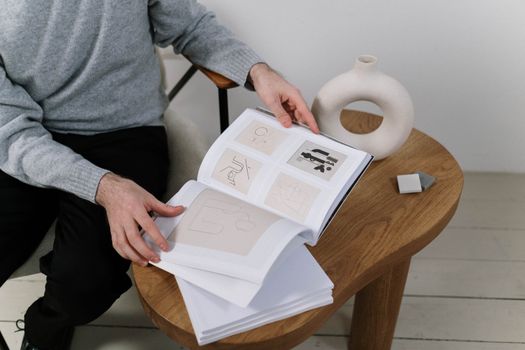 Photo: cottonbro studio / Pexels
Structuring for Maximum Impact and User Experience
 Photo: Felicity Tai / Pexels
Common Portfolio Organization Mistakes to Avoid
 Photo: Ann H / Pexels
Comparison
| Feature | Online Portfolio Platform | Personal Website (DIY) | PDF/Physical Portfolio |
|---|---|---|---|
| Ease of Setup | Very Easy | Moderate to Complex | Easy (PDF), Moderate (Physical) |
| Customization | Limited by Template | High | High (PDF), Moderate (Physical) |
| Reach/Visibility | High (SEO potential) | High (SEO potential) | Limited (shared directly) |
| Interactivity | Moderate (embeds) | High (dynamic content) | Low (static) |
| Cost | Free to Moderate Subscription | Moderate (hosting/domain/dev) | Low (software/printing) |
| Maintenance | Low | High | Low |
| Best For | Quick, professional showcase | Full creative control, branding | Specific applications, in-person |
What Readers Say
"Following this guide on how to organize a portfolio completely transformed my job search. I used to just dump all my work, but now it tells a clear story. I got three interview requests in a week!"
Sarah J. · Austin, TX"The advice on strategic curation was a game-changer. I cut down my portfolio by half, focusing only on my best work, and the feedback from potential clients has been overwhelmingly positive."
Mark T. · New York, NY"I was struggling with how to structure my diverse projects. This article provided a clear framework, and as a result, I landed my dream design role with a major tech company."
Emily R. · San Francisco, CA"While the tips were incredibly helpful, I wish there was a bit more emphasis on video portfolios for motion designers. Still, the core principles of organization and storytelling were invaluable."
David L. · Chicago, IL"As a freelance writer, I used to just send links. Organizing my portfolio with case studies and clear results has made a huge difference in converting prospects into paying clients. Highly recommend!"
Jessica M. · Miami, FLFrequently Asked Questions
What is the most important first step when organizing a portfolio?
The most important first step is to define your purpose and target audience. Understanding who you want to impress and what opportunities you're seeking will guide all subsequent decisions about content selection, presentation style, and overall narrative, ensuring your portfolio is strategically aligned with your goals.
I don't have much professional experience; how can I still build a strong portfolio?
Don't worry! You can include personal projects, volunteer work, academic projects, speculative designs, or even re-designs of existing products. Focus on showcasing your skills, problem-solving process, and passion. Clearly explain the context and your contributions for each piece.
How often should I update my portfolio?
You should aim to review and update your portfolio at least once or twice a year, or whenever you complete a significant new project that showcases your evolving skills. This ensures your portfolio remains current, relevant, and reflects your most recent and best work.
Is it better to use a dedicated portfolio platform or build my own website?
Both have merits. Dedicated platforms (like Behance, Dribbble, Squarespace) are easier and quicker to set up, often with beautiful templates. Building your own website offers maximum customization, branding control, and SEO benefits, but requires more technical skill and time. Choose based on your technical comfort, budget, and desired level of control.
Should I include my resume in my portfolio?
It's generally a good idea to include a link to download your resume within your portfolio, often in the 'About Me' or 'Contact' section. While the portfolio showcases your work, the resume provides a concise overview of your experience, education, and specific achievements, complementing your visual presentation.
Who should use how to organize a portfolio?
Anyone looking to showcase their professional work, skills, and achievements to potential employers, clients, or collaborators should learn how to organize a portfolio. This includes designers, writers, photographers, artists, developers, marketers, architects, consultants, and many other creative and technical professionals.
What are the risks of a poorly organized portfolio?
A poorly organized portfolio can lead to missed opportunities, as it may convey a lack of professionalism, make it difficult for viewers to understand your value, or simply fail to capture attention. It can also dilute the impact of your best work, making you appear less capable or experienced than you truly are.
What future trends might impact portfolio organization?
Future trends include increased integration of AI-powered personalization for viewers, more immersive experiences like VR/AR portfolios, greater emphasis on interactive case studies, and the growing importance of demonstrating soft skills alongside technical abilities through project narratives. Adaptability and dynamic content will be key.
Mastering how to organize a portfolio is an investment in your future. By applying these strategic principles, you'll create a powerful, compelling showcase that not only highlights your best work but also effectively communicates your unique value to the world, opening doors to unparalleled opportunities.