✓ A strong portfolio is crucial for art school admissions, job applications, and client acquisition.
✓ Quality over quantity is paramount: showcase only your best, most relevant work.
✓ Tailor your portfolio to each specific opportunity and audience.
✓ Digital portfolios offer global reach and flexibility, while physical portfolios provide tactile experience.
How It Works
1
Define Your Purpose
Before selecting any artwork, clarify what your portfolio is for. Is it for college admissions, a job application, or attracting clients? This will dictate content and presentation.
2
Curate Your Best Work
Select 10-20 pieces that represent your strongest skills, unique style, and range. Seek feedback from trusted mentors or peers to help with objective selection.
3
Document Professionally
High-quality photographs or scans of your artwork are essential. Ensure good lighting, accurate color, and clear focus, especially for physical pieces.
4
Organize and Present
Choose a platform (website, PDF, physical book) and arrange your work logically. Include clear titles, dimensions, media, and a concise artist statement for each piece.
Understanding the Purpose of Your Art Portfolio
Photo: Felicity Tai / Pexels
Before you even think about selecting your first piece of artwork, it’s critical to understand the fundamental purpose of an art portfolio. It’s not just a random collection of your creative endeavors; it’s a meticulously curated narrative designed to achieve a specific goal. Whether you're applying to art school, seeking a design job, pitching to a gallery, or attracting freelance clients, your portfolio acts as your primary visual resume and personal statement. It tells a story about who you are as an artist, what your technical capabilities are, your conceptual thinking process, and your potential. Without a clear objective, your portfolio risks becoming a jumbled assortment that fails to impress or communicate effectively.
Consider the audience you are trying to reach. An admissions committee for a fine arts program might look for raw talent, foundational skills, and a willingness to experiment, often valuing sketchbooks and process work. A hiring manager for a graphic design firm, however, will prioritize problem-solving skills, proficiency in design software, and a portfolio that demonstrates an understanding of branding or user experience. Similarly, a gallery owner will be interested in a cohesive body of work, a distinct artistic voice, and marketability. Each audience has different expectations and criteria, and a one-size-fits-all approach rarely succeeds.
Defining your purpose early on will save you immense time and effort. It will guide every subsequent decision, from which pieces to include, to their order, to the accompanying descriptions. For instance, if you're applying to a university, they might specify a certain number of observational drawings or pieces demonstrating a particular skill. If you're aiming for a professional role, they'll want to see projects that mirror the kind of work they do. This foundational step is often overlooked but is the cornerstone of creating a truly impactful art portfolio. By starting with a clear 'why,' you can construct a 'what' that resonates powerfully with your intended viewer, significantly increasing your chances of success. It's about strategic storytelling through your art. For more in-depth guidance on tailoring your portfolio, check out this guide on building a strong portfolio.
Curating Your Masterpieces: Quality Over Quantity
Photo: George Milton / Pexels
The temptation to include every piece of art you’ve ever created can be strong, especially when you’re proud of your extensive body of work. However, when it comes to an art portfolio, less is almost always more. The golden rule is quality over quantity. A portfolio that showcases 10-20 exceptional pieces will be far more effective and memorable than one filled with 50 mediocre or inconsistent works. Your portfolio is only as strong as its weakest piece. One less-than-stellar artwork can cast a shadow over an otherwise brilliant collection, raising doubts about your judgment and consistency.
Begin by laying out all your potential pieces. This could be physical artworks, digital files, or even photographs of installations. Then, critically evaluate each one. Ask yourself: Does this piece truly represent my best work? Does it showcase a skill or concept I want to highlight? Does it align with the purpose of this specific portfolio? It’s often beneficial to step away from your work for a few days and then return with fresh eyes. What might have seemed brilliant in the moment of creation might appear differently with a bit of distance.
Don't be afraid to be ruthless in your selection process. If a piece doesn't immediately stand out as excellent, or if it doesn't serve a clear purpose, it likely shouldn't be included. This is where external feedback becomes invaluable. Share your potential selections with trusted mentors, art professors, or experienced artists. They can offer an objective perspective, pointing out strengths and weaknesses you might have overlooked. Sometimes, the pieces you’re most attached to aren't necessarily your strongest, and an outside eye can help you make those tough decisions.
Furthermore, consider the diversity of your selected works. While a cohesive style is important, demonstrating a range of skills, media, and conceptual approaches can be highly beneficial, especially for academic applications. For instance, including observational drawings, figure studies, conceptual pieces, and perhaps a 3D work can illustrate a well-rounded artistic foundation. For professional portfolios, showcasing a variety of projects that solve different problems or target different audiences will demonstrate versatility. Remember, each piece in your portfolio should earn its spot by contributing positively to the overall narrative you're trying to convey about your artistic abilities and potential.
Professional Documentation and Presentation Strategies
Photo: Valeria Boltneva / Pexels
Once you've meticulously curated your best work, the next critical step is to document and present it professionally. This phase can make or break the impact of your portfolio, regardless of how brilliant your original artwork is. Poor documentation—blurry photos, inconsistent lighting, or inaccurate colors—can severely diminish the perceived quality of your art and, by extension, your professionalism. For physical artworks, investing time in high-quality photography is non-negotiable. This means using a good camera (a modern smartphone can often suffice if used correctly), proper lighting (natural, diffused light is often best, or a professional lighting setup), and a neutral background. Ensure your images are sharp, in focus, and that the colors accurately represent the original piece. Cropping and minor color correction in image editing software can enhance the presentation, but avoid over-editing that distorts the artwork's true appearance.
For digital art, ensure your files are saved in appropriate formats (e.g., high-resolution JPEGs or PNGs for web display, PDFs for print-ready documents) and that they are optimized for web viewing if your portfolio is online. Large file sizes can lead to slow loading times, frustrating viewers.
Beyond individual piece documentation, the overall presentation of your portfolio is equally important. You have several options: a physical portfolio book, a PDF document, or a dedicated website. Each has its advantages. A physical portfolio offers a tactile experience, which can be impactful for certain traditional art forms, allowing viewers to see scale and texture firsthand. However, it's less flexible and harder to share widely. A well-designed PDF can be easily emailed and viewed on various devices, making it a versatile choice.
The most popular and often recommended option today is a professional website. A website allows for dynamic presentation, easy updates, and global reach. Platforms like Behance, Squarespace, Wix, or even a custom-coded site offer templates and tools to create stunning online portfolios. Whichever platform you choose, ensure it is clean, easy to navigate, and mobile-responsive. Each artwork should be accompanied by concise, informative captions including title, year, dimensions, media, and a brief artist statement or conceptual description. This context helps the viewer understand your intentions and process. A well-presented portfolio speaks volumes about your attention to detail and respect for your own work. For more insights into optimizing your digital presence, consider exploring resources on creating an online portfolio. Remember, your portfolio is a reflection of your professional self.
Common Mistakes and Essential Tips for Portfolio Success
Photo: Kawê Rodrigues / Pexels
Creating an art portfolio can be a complex process, and it's easy to fall into common pitfalls that can detract from your efforts. Being aware of these mistakes and implementing key strategies can significantly boost your portfolio's impact.
**Common Mistakes to Avoid:**
* **Including Too Much Work:** As discussed, quality trumps quantity. An overloaded portfolio dilutes the impact of your best pieces.
* **Poor Quality Documentation:** Blurry photos, bad lighting, or inaccurate colors instantly undermine the professionalism of your work.
* **Lack of Cohesion:** A portfolio that jumps wildly between disparate styles or themes without explanation can confuse the viewer. While showing range is good, it needs to be presented thoughtfully.
* **No Context or Descriptions:** Each piece needs a title, medium, dimensions, and ideally, a brief artist statement or project description. Without this, viewers are left guessing your intent.
* **Ignoring the Audience:** Failing to tailor your portfolio to the specific application (e.g., art school vs. job) is a critical error.
* **Typos and Grammatical Errors:** These reflect poorly on your attention to detail and overall professionalism, even in an art-focused context.
* **Outdated Work:** Only include recent and relevant work that reflects your current skill level and artistic direction.
**Essential Tips for Success:**
* **Get External Feedback:** Have trusted mentors, professors, or fellow artists review your portfolio. They can offer objective critiques and spot weaknesses you might have missed.
* **Tell a Story:** Think of your portfolio as a narrative about your artistic journey and capabilities. How do the pieces flow together? What story do they tell about you?
* **Show Process Work (if relevant):** For academic applications or certain design roles, including sketches, concept art, or developmental stages can demonstrate your problem-solving skills and creative process.
* **Include a Strong Artist Statement/About Page:** This is your chance to articulate your artistic philosophy, influences, and goals in your own words. It adds a personal touch and contextualizes your work.
* **Ensure Easy Navigation:** Whether physical or digital, your portfolio should be intuitive and easy to browse. A confusing layout frustrates viewers.
* **Proofread Everything:** Double-check all text for spelling, grammar, and factual accuracy.
* **Backup Your Work:** Always have multiple backups of your digital files and consider photographing physical portfolios. You don't want to lose your hard work.
* **Update Regularly:** Your art evolves, and so should your portfolio. Keep it fresh with new, strong pieces and remove older, less relevant ones.
By diligently avoiding these common mistakes and actively incorporating these tips, you'll be well on your way to creating an art portfolio that effectively represents your talent and helps you achieve your artistic aspirations.
Comparison
Feature
Online Portfolio (Website)
PDF Portfolio
Physical Portfolio
Reach
Global
Email/Download
Local/In-person
Flexibility/Updates
High (easy)
Medium (re-export)
Low (re-print/bind)
Cost
Low-Medium (platform fees)
Low (software)
Medium-High (materials, printing)
Interactivity
High (animations, links)
Medium (links)
Low (tactile only)
Storage/Portability
Cloud-based
Digital file
Bulky/Fragile
Best for
Job applications, clients, broad exposure
Initial contacts, academic applications
Gallery showings, specific interviews
Mobile-Friendly
✓
✓ (most viewers)
✗
What Readers Say
★★★★★
"This guide transformed how I approached my art school applications. The advice on curating and documenting my work was invaluable; I got accepted into my top choice!"
Sarah J. · Brooklyn, NY
★★★★★
"As a freelance illustrator, I struggled with presenting my diverse projects. This article's focus on defining purpose and tailoring the portfolio really helped me land new clients."
Mark D. · Austin, TX
★★★★★
"I used to just dump all my art into one folder. Following the steps here, I created a professional online portfolio that directly led to an interview for my dream design job."
Emily R. · Los Angeles, CA
★★★★★
"The tips on getting external feedback were particularly useful. While some advice felt a bit basic, the emphasis on quality and professional presentation truly elevates the content."
David L. · Chicago, IL
★★★★★
"I'm a traditional painter, and I found the section on documenting physical artwork incredibly helpful. My online presence now accurately reflects the quality of my canvas work."
Chloe P. · Miami, FL
Frequently Asked Questions
How many pieces should I include in my art portfolio?
Generally, aim for 10-20 of your strongest pieces. For art school, this might be specified, but for professional use, focus on showcasing quality over quantity. Each piece should genuinely contribute to demonstrating your skills and artistic voice.
Do I need a physical and a digital art portfolio?
While a digital portfolio (website) is almost universally required for its reach and ease of sharing, a physical portfolio can be beneficial for specific in-person interviews or gallery showings, especially for traditional media. It depends on your specific goals.
What kind of artwork should I put in my portfolio?
Include your best, most relevant work that aligns with your portfolio's purpose. This might include observational drawings, finished paintings, digital illustrations, design projects, 3D models, or process work like sketchbooks, depending on your field and audience.
How much does it cost to create a professional art portfolio?
Costs can vary widely. Free options exist (e.g., Behance, basic website builders), but premium website platforms can cost $10-30/month. Professional photography for physical art might incur additional costs, but good smartphone photography can often suffice.
Is a Behance portfolio enough, or do I need my own website?
Behance is an excellent platform for exposure and community, often sufficient for starting out. However, having your own dedicated website offers more control over branding, customization, and a more professional appearance, which can be advantageous for established artists or specific job roles.
Who should use this guide on how to make an art portfolio?
This guide is for anyone looking to present their artistic or design work professionally. This includes high school students applying to art colleges, emerging artists seeking gallery representation, freelance designers attracting clients, and experienced professionals looking for new job opportunities.
What if my art style isn't fully developed yet?
That's perfectly normal, especially for students. Focus on showcasing strong foundational skills, experimentation, and a clear passion for art. Admissions committees often look for potential and a willingness to learn, not necessarily a fully formed artistic voice.
What are the future trends in art portfolios?
Future trends include more interactive and multimedia elements (video, animation, AR/VR), personalized AI-driven portfolio recommendations, and increased emphasis on storytelling and process documentation. Adaptability and digital fluency will be key.
Ready to transform your artistic journey? By applying the strategies outlined in this guide, you can confidently learn how to make an art portfolio that truly represents your talent and opens doors to exciting new opportunities. Start building your impactful portfolio today!
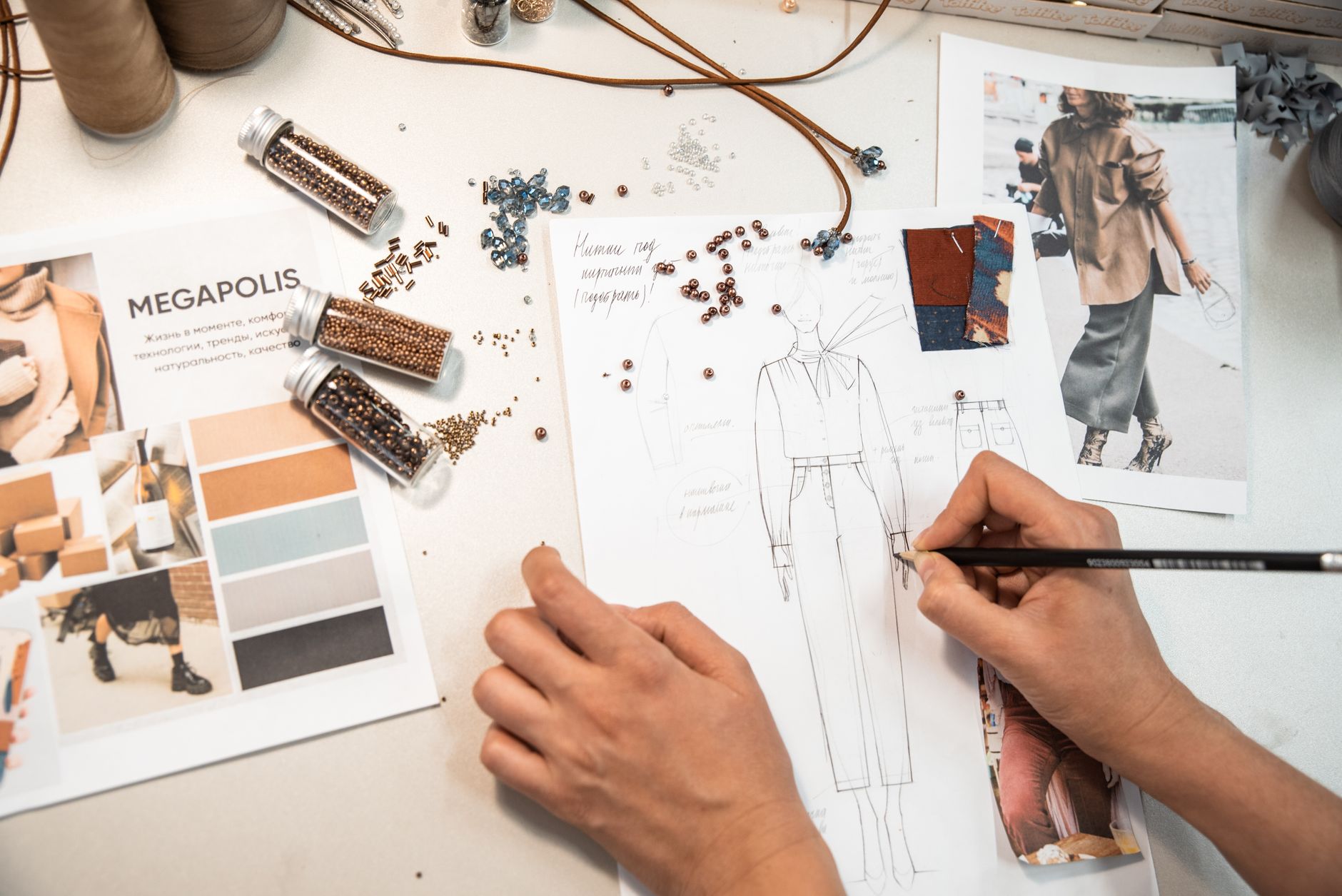
 Photo: Felicity Tai / Pexels
 Photo: George Milton / Pexels
 Photo: Valeria Boltneva / Pexels
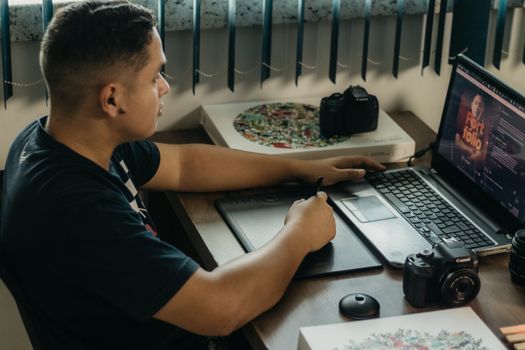 Photo: Kawê Rodrigues / Pexels